Volunteers collect 900 pounds of trash at three Delaware River basin sites and gain insights about plastics pollution
| November 3, 2025
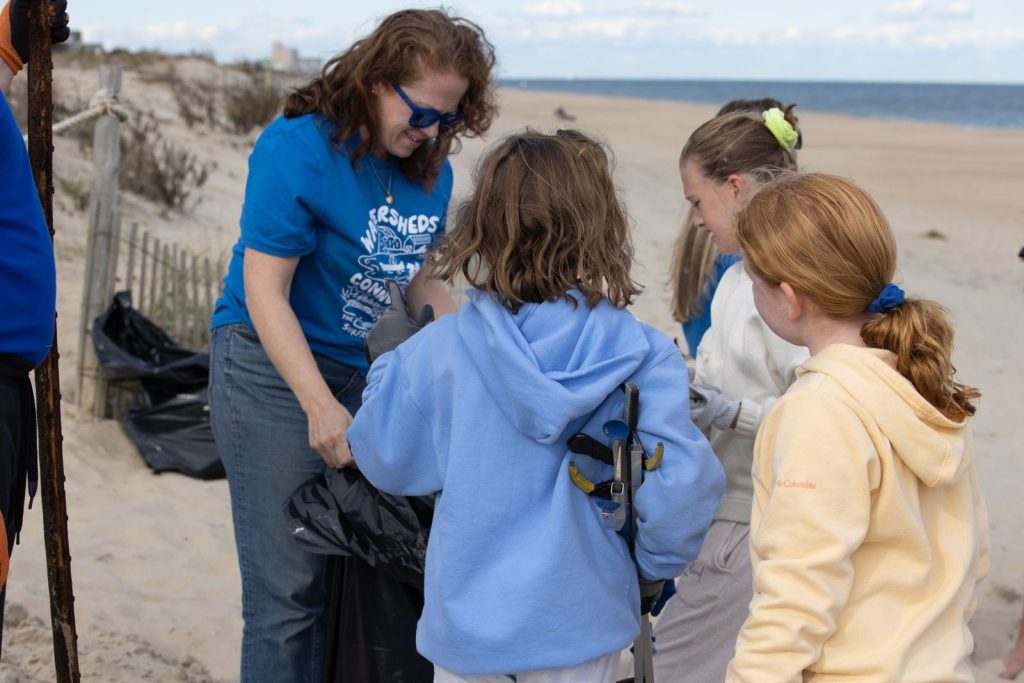
Recent volunteer cleanups at three sites in the Delaware River Basin organized by an environmental group not only collected 900 pounds of trash but also gained key detailed data to help better define what is polluting coasts and beaches, the group said.
The group, the Surfrider Foundation, organized a “Cleanup Crawl” event at three locations — Petty’s Island, N.J., Newark, Del., and Dewey Beach, Del. — over a weekend last month. The foundation, an environmental organization, is dedicated to protecting America’s oceans and beaches from the harms of plastic pollution.
Beach cleanups have revealed that single-use plastics — cigarette butts, food wrappers, bottle caps, and other plastic fragments — are the most commonly littered items and pose a growing threat to marine ecosystems and human health.
As Delaware Currents has previously reported, the Delaware River is the largest source of plastic pollution in North America, according to a 2021 peer-reviewed study published in the journal Science Advances.
The study estimated that the Delaware contributes approximately 141 tons of plastic pollution into the Atlantic Ocean annually, serving as a singular funnel that channels debris from the 7.7 million people living in the Delaware River basin.
Globally, an estimated 11 million tons of plastic enter ocean waters every year — equivalent to a trash truck dumping a full load of plastic pollution into the ocean every minute of every day, the foundation said. The total weight of plastic pollution in our ocean is projected to exceed the total weight of all fish in the ocean by 2050 if current trends continue.
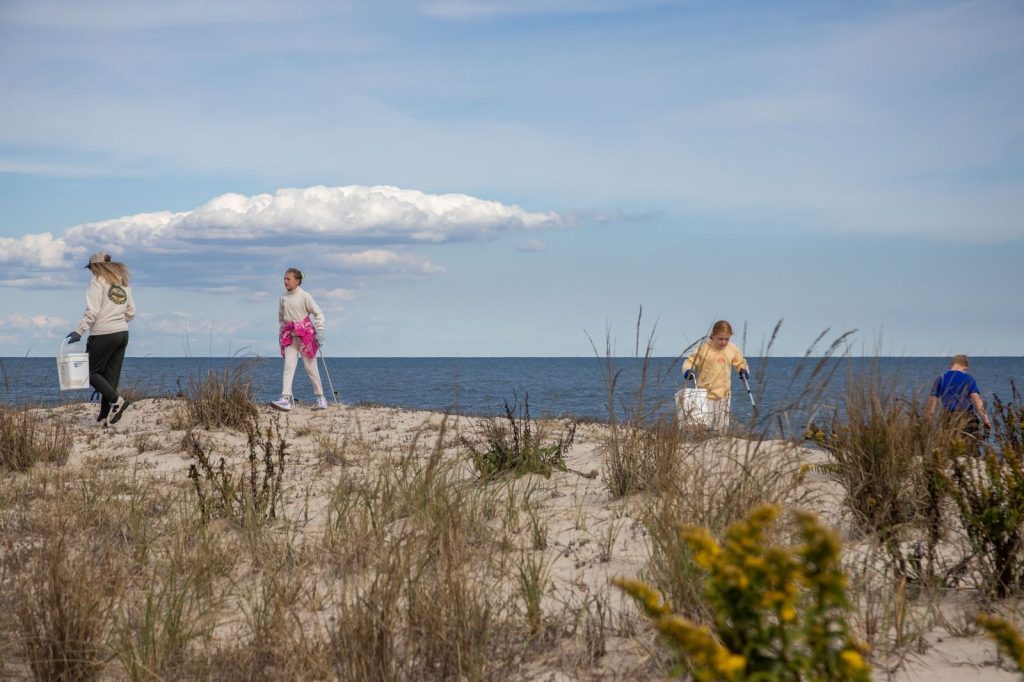
Surfrider’s nationwide volunteer network in 2024 brought together 40,000 volunteers to remove 365,000 pounds of litter from beaches coast to coast. Surfrider volunteers last year logged the most number of individual trash items ever, with 870,000 itemized pieces of trash recorded into its national cleanup database, with an overwhelming 83 percent of all items being plastic.
This data provides a clear picture of what is polluting beaches and coasts, which Surfrider activists use to campaign for stronger plastic reduction legislation, such as “Skip the Stuff” bills that allow consumers to opt-out of single-use plastics in their takeout food orders, helping stop plastic pollution at its source.
“Most people don’t realize that rivers act as highways for plastic pollution, carrying trash for hundreds of miles inland all the way to the ocean,” said CeCe Carter, Mid-Atlantic regional manager. “Our Cleanup Crawl brought communities together to take action, raise awareness, and show that local efforts can have global impact. Every piece of trash collected is one less polluting our waterways and ocean, and every volunteer truly makes a difference.”
The microplastics threat
Surfrider’s beach cleanup data continues to prove that plastic is the most commonly found material on beaches and shows how plastic behaves once it reaches the environment. Plastic breaks down into smaller and smaller pieces, becoming increasingly difficult to clean up and a bigger threat to the health of coastal ecosystems. Out of the almost one million items found during 2024 beach cleanups, 32.5 percent were plastic fragments.
These fragments infiltrate coastal food systems, harming not only wildlife but also posing a danger to human health. Microplastics and plastic fragments bioaccumulate up the food chain — becoming more toxic the higher up the food chain you go. So even if you can’t see anything wrong with a filet of fresh fish or the sushi roll on your dinner plate, your favorite seafood has an increasing chance of being contaminated by plastics and associated chemical pollutants once they’ve been ingested by marine life.

Recent Stories